
How to Reduce Your Power Bill: The Real Impact of Insulation
If your home feels cold in winter and expensive to heat, you’re not alone. In New Zealand, heating can make

Keep up with all our latest news in our blog below. We update this regularly, so keep an eye out for all our latest news and updates!

If your home feels cold in winter and expensive to heat, you’re not alone. In New Zealand, heating can make

Sorted Kāinga Ora is a free financial capability programme designed to support Māori whānau on their journey toward secure, sustainable
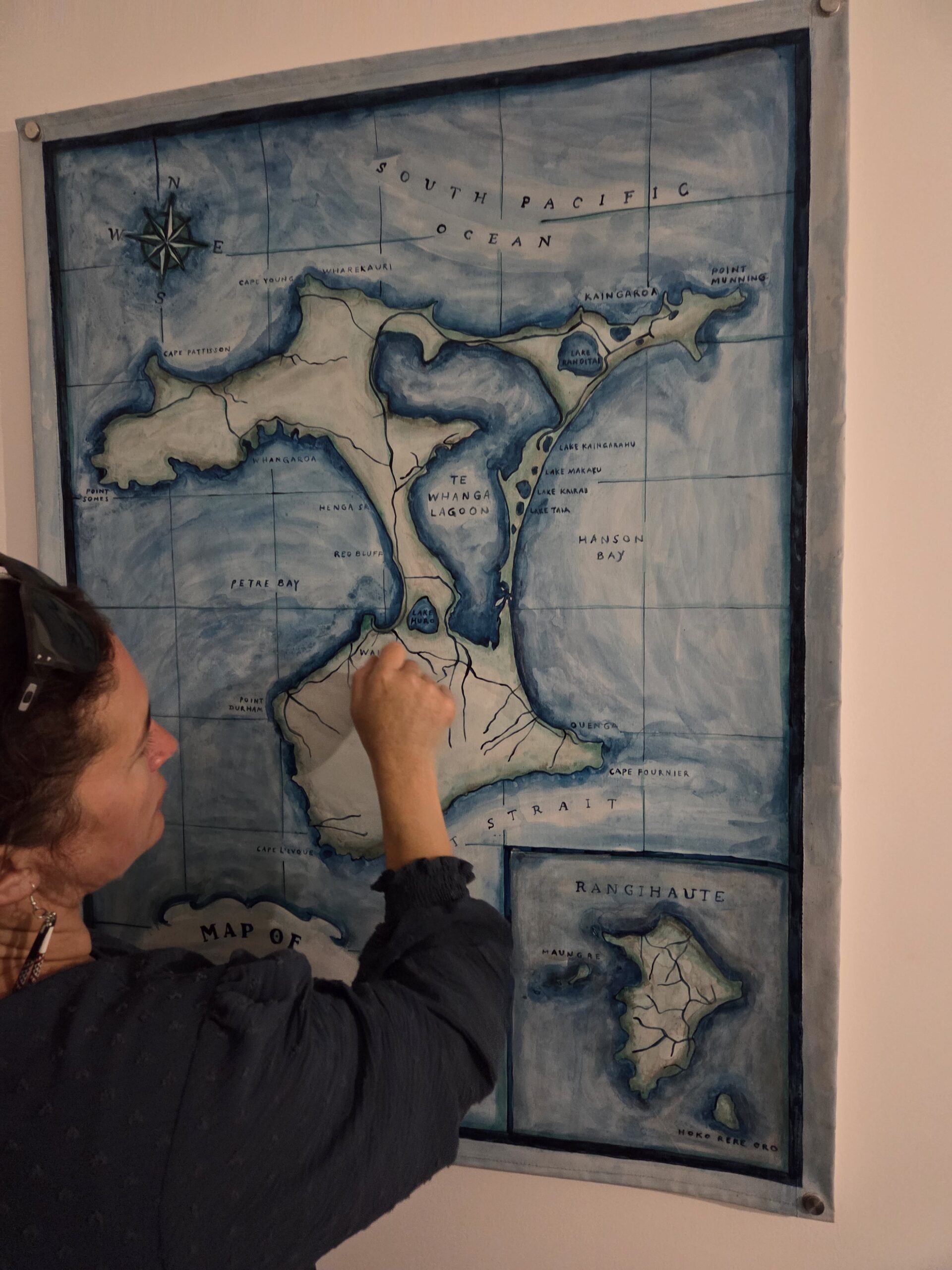
Two weeks on the Chatham Islands pushed our team further than any project before it. What unfolded was a story

A kind, genuine person who was always open to new ideas is how Awarua Synergy General Manager Sumaria Beaton‑Sikisini is
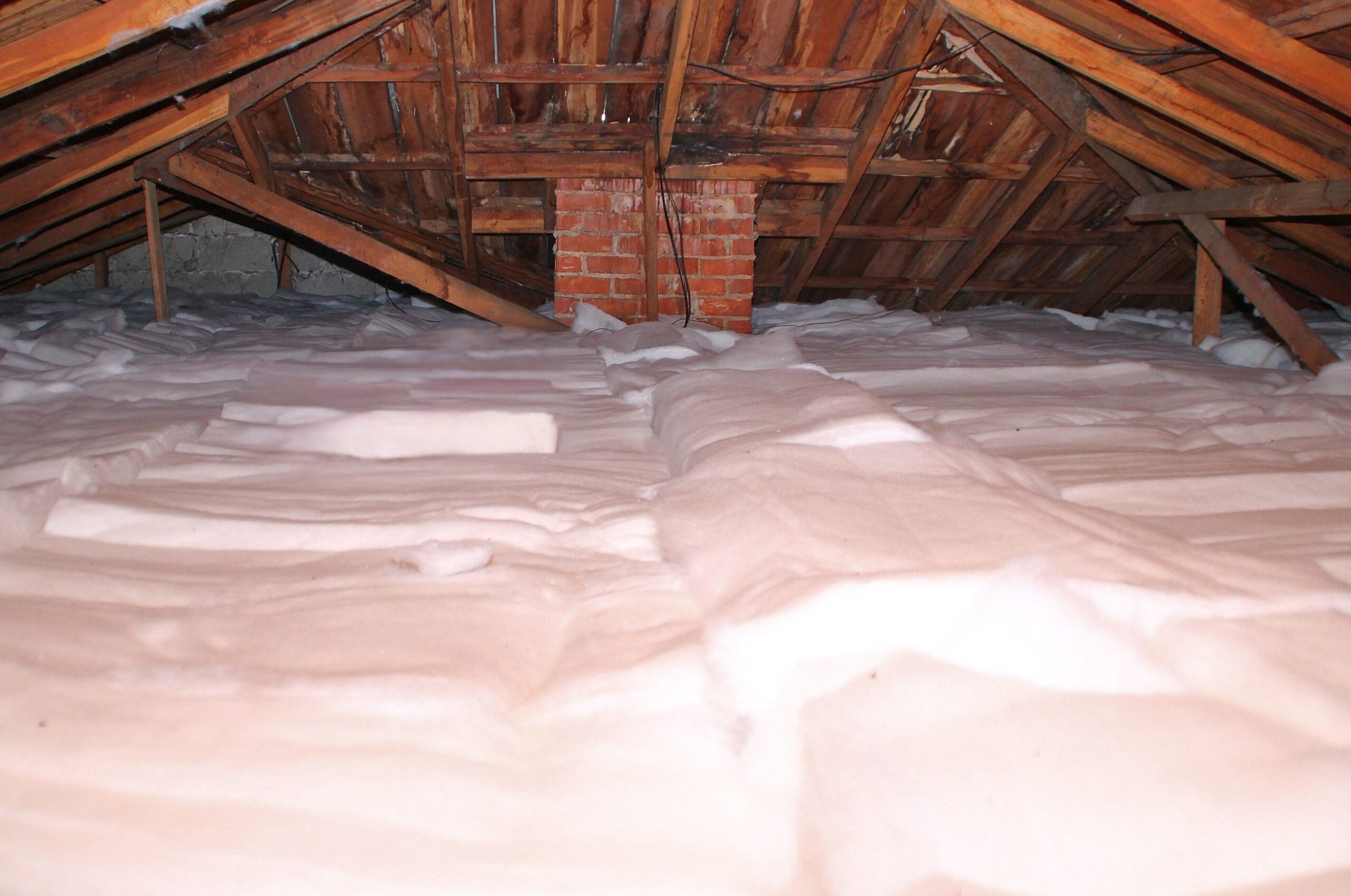
If you’re planning to improve your home’s insulation, you might be wondering where to start. Should you begin with the

Summer has finally arrived, and with it some warmer temperatures! This means that now is the perfect time to give
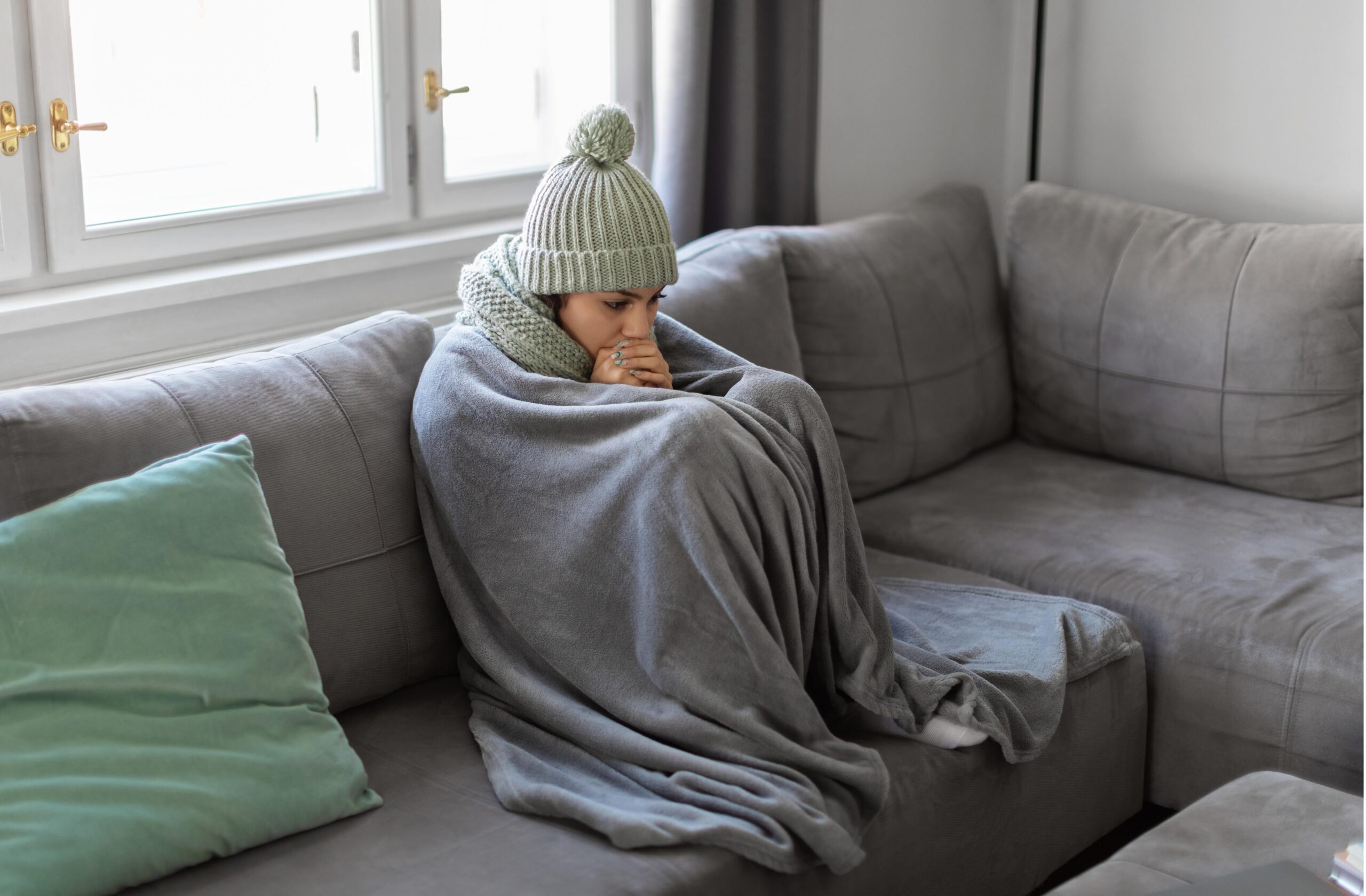
For many homeowners, especially in Southland, a heat pump is the go-to solution for staying warm in winter. They’re efficient,
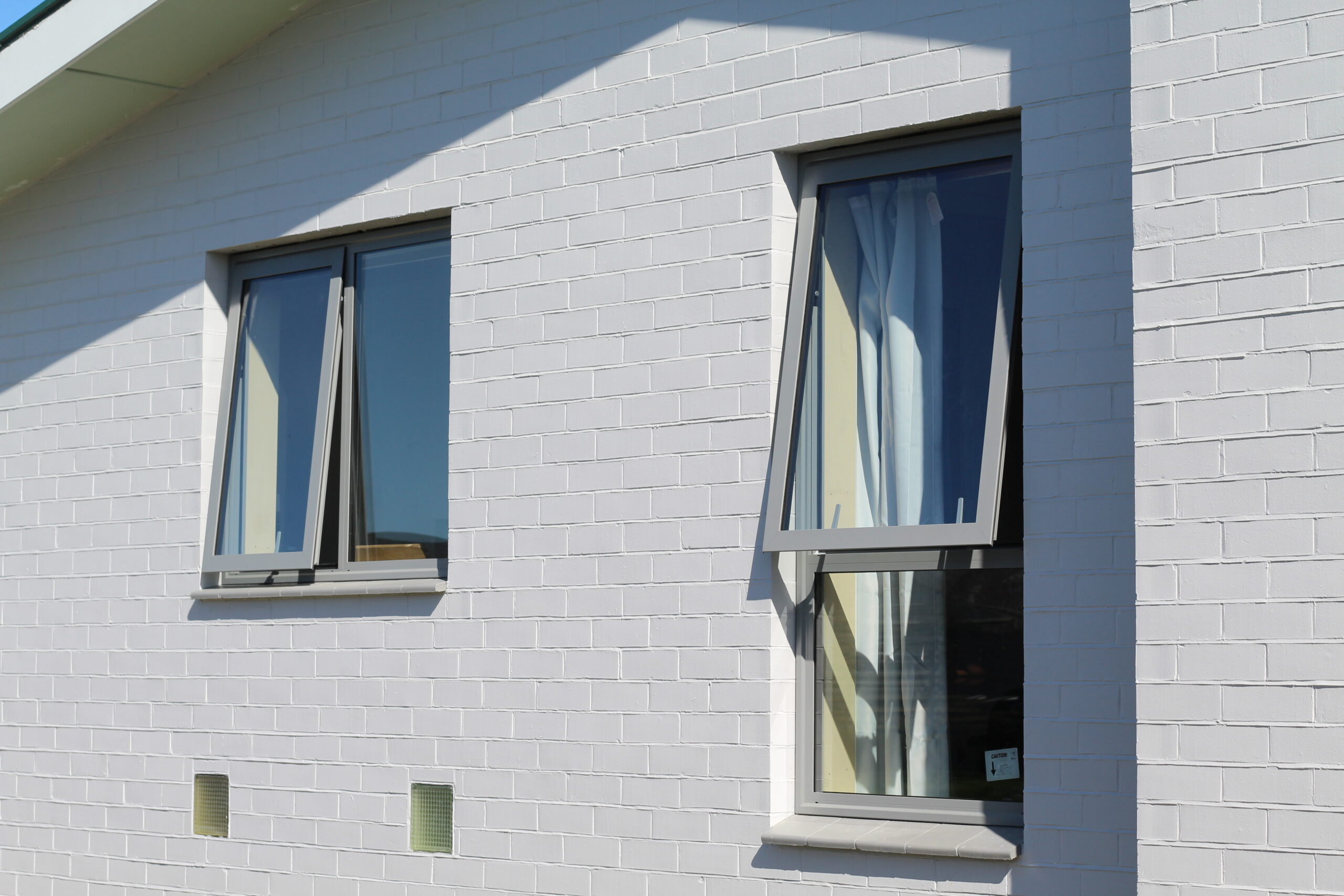
When it comes to making your home warmer, drier and more energy efficient, insulation is the first and most important
Insulation makes your home warmer, drier and healthier….and it lasts for generations
Every $1 spent on insulation equates to a $5-$7 return in health and energy benefits.
Cold homes contribute to 1600 extra deaths in NZ per year
Damp air is harder to heat
Drying clothes inside creates 5 litres of moisture per day
At 3% inflation, household energy bills are set to double again in the next 20 years
NZ homes are expensive to run, we spent approx $250m on inadequate heating
Space heating is 36% of household energy use
Opening windows 20 minutes per day exchanges air making home easier to heat
The recommended temperature for bedrooms is 16-18 degrees
NZ has one of the highest rates of asthma in the OEDC that’s 1 in 4 children, costing us about $4 billion per year
The recommended temperature for utility or laundry rooms is 14-16 degree
Insulating a home is an investment for future generations who live in the house
Hot water heating is 38% of household energy use
The recommended temperature for living rooms is 18-22 degrees
Warmer drier homes = fewer hospital admissions
Cleaning mould with white vinegar kills it
The current average rate of increase in electricity prices is 8.5%
Damp air causes respiratory problems
Un-flued gas heaters create 1 litre of moisture per hour