
The Hidden Cost of Drying Clothes Inside Your Home
23 June 2026
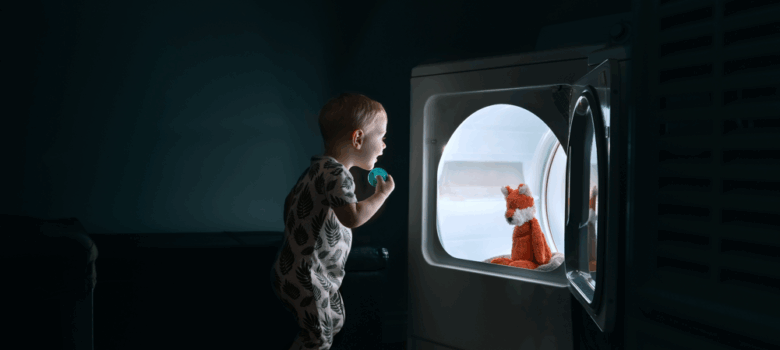
In Southland, we understand the reality. Cold weather, long winters, and very few dry days in a row. So, what do most households do? Washing goes on racks in the lounge. Clothes are draped over heaters. Laundry dries wherever there’s space.
It feels practical. It feels normal. But there’s a hidden cost many people don’t realise. Drying clothes inside might feel normal, especially in winter.
But it comes with a cost most people don’t see.
Moisture Builds Fast
Every load of laundry releases moisture into your home.
That moisture doesn’t disappear, it stays in the air.
Over time, it builds up.
What That Means for Your Home
More moisture leads to:
- Condensation on windows
- Damp walls and ceilings
- Musty smells
- Mould growth
Once mould starts, it spreads quickly and keeps coming back if the moisture isn’t removed.
What That Means for Your Health
Damp homes don’t just feel uncomfortable, they impact how you live.
Common issues include:
- Breathing problems
- Allergies
- Asthma flare-ups
- Ongoing coughs and congestion
A home with too much moisture is harder to live in and harder to keep healthy.
It Also Affects Comfort and Power Bills
Moist air is harder to heat.
That means:
- Your home feels colder
- Heating has to work harder
- Power bills increase
A dry home heats faster and feels warmer.
A Better Option: The Right Dryer
If outdoor drying isn’t practical, your dryer choice makes a big difference.
Dryer Comparison (NZ averages)
VENTED
Dryer-
Upfront cost much lower
-
Drying time 45-60 min
-
Very Quick Drying time
-
Higher running costs
-
Requires Venting
-
Floor or wall mounted
CONDENSER
Dryer-
Upfront cost medium
-
Drying time 1.5-2 hours
-
Medium Drying time
-
Moderate running costs
-
Venting - manual removal or plumbed
-
Floor only
HEAT PUMP
Dryer-
Upfront cost higher
-
Drying time 2-3 hours
-
Long Drying time required
-
Lowest running cost
-
Venting - manual removal or plumbed
-
Floor only
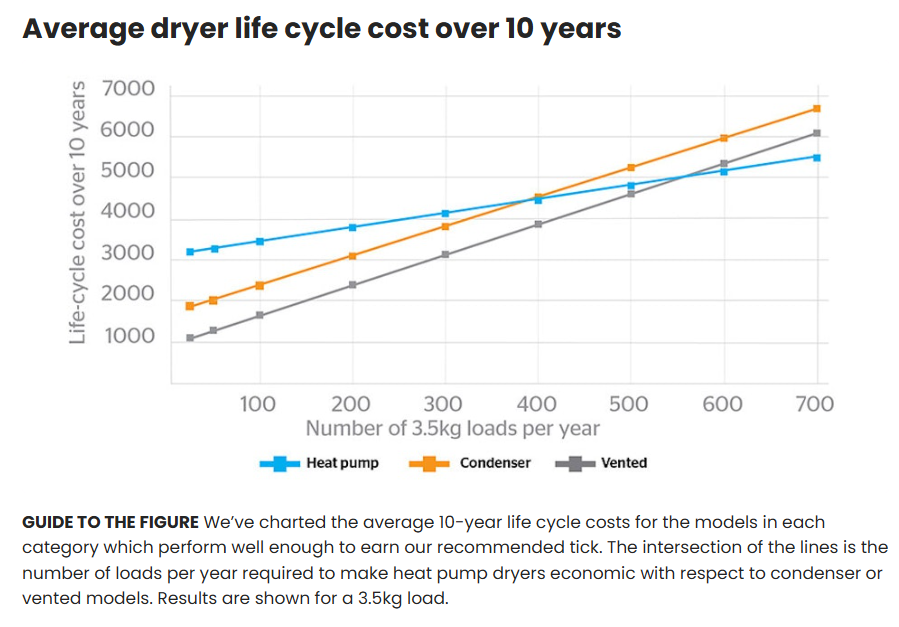
*Consumer graph updated May 2026
The Key Difference
- Vented and condenser dryers use more energy and can still contribute to moisture issues
- Heat pump dryers contain the moisture and use less power per load
Final Thought
Drying clothes inside might seem simple—but it adds moisture, affects health, and makes homes harder to heat.
Choosing how you dry your clothes can make a real difference to how your home feels every day.
How Awarua Synergy Can Help
If moisture is still a problem in your home, our team can provide a free assessment to help identify the cause and recommend the right ventilation solution for a healthier, drier living environment.
.
Latest News
We spend plenty of time thinking about keeping our homes warm in… continue reading
Your heat pump has stopped working properly – but does it need a… continue reading
Our deep south winters are cold and our summers can be hot. Your… continue reading
At Awarua Synergy, we often talk about the power of community,… continue reading
With electricity prices continuing to rise, many New Zealand… continue reading

