If your home feels cold in winter and expensive to heat, you’re not alone.  In New Zealand, heating can make up around 30% of household energy use, and possibly even more in the deep south.  Without insulation much of that heat is simply escaping through your roof, floor, and walls. If you really want to reduce your power bills, you need to keep that heat in, and the cold out. So the real question isn’t just “how much does insulation cost?”. It’s: how much are you losing without it?

How much can insulation actually save?

The short answer: more than most people expect. Insulation is, according to EECA (Energy Efficiency and Conservation Authority), one of most effective ways to keep your home comfortable, healthy and warm. And it can save you up to $330 each year on your power bills.  The exact savings depend on the size of your home, how you heat your home and what level of insulation is installed. However it works in your home, with rising energy prices, the small savings add up quickly.

Insulation vs Heating: What saves more?

A common mistake we see is homeowners installing or upgrading their heating before fixing insulation. But here’s the reality – your heating generates warmth – insulation keeps it inside.

In fact, in an older, uninsulated home up to 60% of the heat you produce can be lost. Without insulation, even the best heat pump is working overtime – replacing the lost heat, and costing you more every month. That’s why insulation is often called “the foundation of an energy-efficient home”.

It’s not just about saving money

Yes, insulation reduces power bills — but the benefits go much further. Good insulation offers you:

  • A warmer, more comfortable home year-round 
  • Less condensation and mould
  • Better health (especially for kids and older adults)
  • A reduced strain on your heating systems

In fact, improving insulation is a key part of New Zealand’s Healthy Homes Standards for rentals. It means your home is warmer and healthier.

Where you’ll get the biggest gains by insulating your home

If you’re looking to maximise savings, start here:

  1. Ceiling Insulation: Since heat rises, insulating your ceiling can have the biggest impact for most homes.
  2. Underfloor Insulation: Especially important in older homes with timber floors. This also stops the damp rising into the home, which helps to create a healthier, dryer home that is easier to heat.
  3. Wall Insulation: Blown in wall insulation is an easy and quick way to reduce heat loss by around 20% – 25%.
  4. Draught Stopping: Sealing gaps around windows can reduce energy loss by up to 25%.
  5. Ventilation: Ventilation is often overlooked, but it helps manage moisture and improves overall efficiency. A damp home is harder, and more expensive, to heat.

Is insulation worth it in Southland?

Yes, absolutely. Insulation provides savings on your power bill, improved comfort, health benefits and increases the value of your home. In fact, it’s one of the highest return-on-investment upgrades you can make to your home. Insulation isn’t a cost, it’s a long-term saving.

At Awarua Synergy, we help Southland homeowners create warmer, healthier and more energy efficient homes — tailored to our unique climate.

Book a free home assessment and find out where your home is losing heat (and money).

Back
Latest articles

Sorted Kāinga Ora is a free financial capability programme designed to support Māori whānau on their journey toward secure, sustainable housing. Whether you’re preparing for home ownership or wanting to strengthen your current rental situation, this programme provides practical tools, guidance, and culturally grounded support to help you move forward with confidence.

Delivered in partnership with iwi, Te Ara Ahunga Ora – Retirement Commission, and Te Puni Kōkiri, Sorted Kāinga Ora is built around kaupapa Māori values and real‑world financial skills that uplift whānau aspirations.

Housing Options

Learn the different pathways into housing, what’s involved, and how to take your first steps with confidence

Money Plan

Build healthy financial habits and strengthen money conversation

KiwiSaver

Learn how KiwiSaver works and how it can support first‑home pathway

Explore

Explore saving, investing, insurance, wills, and protecting what matters

Financial habits

Build healthy financial habits and strengthen money conversation

Legal

Navigate the legal, insurance, wills involved in buying a home

How the Programme Works

  • Sessions: 2 x 5-hour blocks over 11.00am to 4.00pm
  • Format: Delivered kanohi‑ki‑kanohi (face‑to‑face) in GORE or online
  • Cost: 100% free
  • Experience: Practical, supportive, and grounded in whanaungatanga
  • Homework: Light activities such as spending diaries and money plans
  • Ongoing Support: After the workshops, whānau receive a guided navigation period, where facilitators support you one on one with your housing plan

VENUE

Hokonui Runaka
140 Charlton Road,
GORE

TIME

11.00am to 4.00pm

DATES

Sunday 12 July 2026 and Sunday 26 July 2026

Programme Delivery – Awarua Synergy (Southland)

Awarua Synergy is proud to deliver Sorted Kāinga Ora in Southland, offering two evening options to suit whānau schedules.

Who Should Join

Sorted Kāinga Ora is ideal for whānau who:

  • Want to prepare for home ownership
  • Need support to strengthen their financial wellbeing
  • Are looking to improve their current rental situation
  • Want to build long‑term financial confidence for their whānau

Ready to Begin Your Housing Journey?

Awarua Synergy is here to support you every step of the way.
Register your interest today and take the first step toward achieving your whānau housing goals.

*limited spaces

What others said:

Taylor Tipa
Taylor TipaWorkshop attendee
"It was really helpful when I didn’t know how to navigate all that’s required in buying a home. I recommend it for whānau who are looking to buy a home but don’t know where to start"
Kiri Pudda
Kiri PuddaWorkshop attendee
This programme put me on the pathway to understanding how to get onto the property ladder. I would highly recommend the Sorted Kāinga Ora programme to anyone wanting a strong head start, as it clearly explains what you need and how to move forward with buying your first home. It provided me with a range of useful tools and practical tips on how to save money and use it effectively, which has made a real difference in my journey to Home ownership.
Back
Latest articles

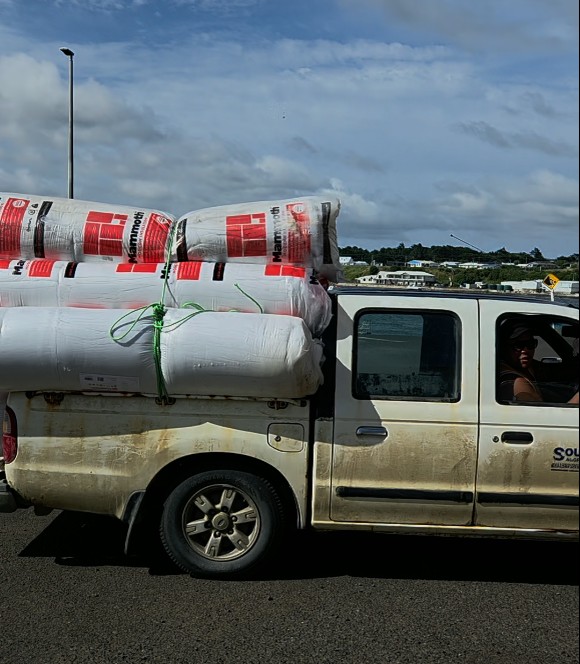
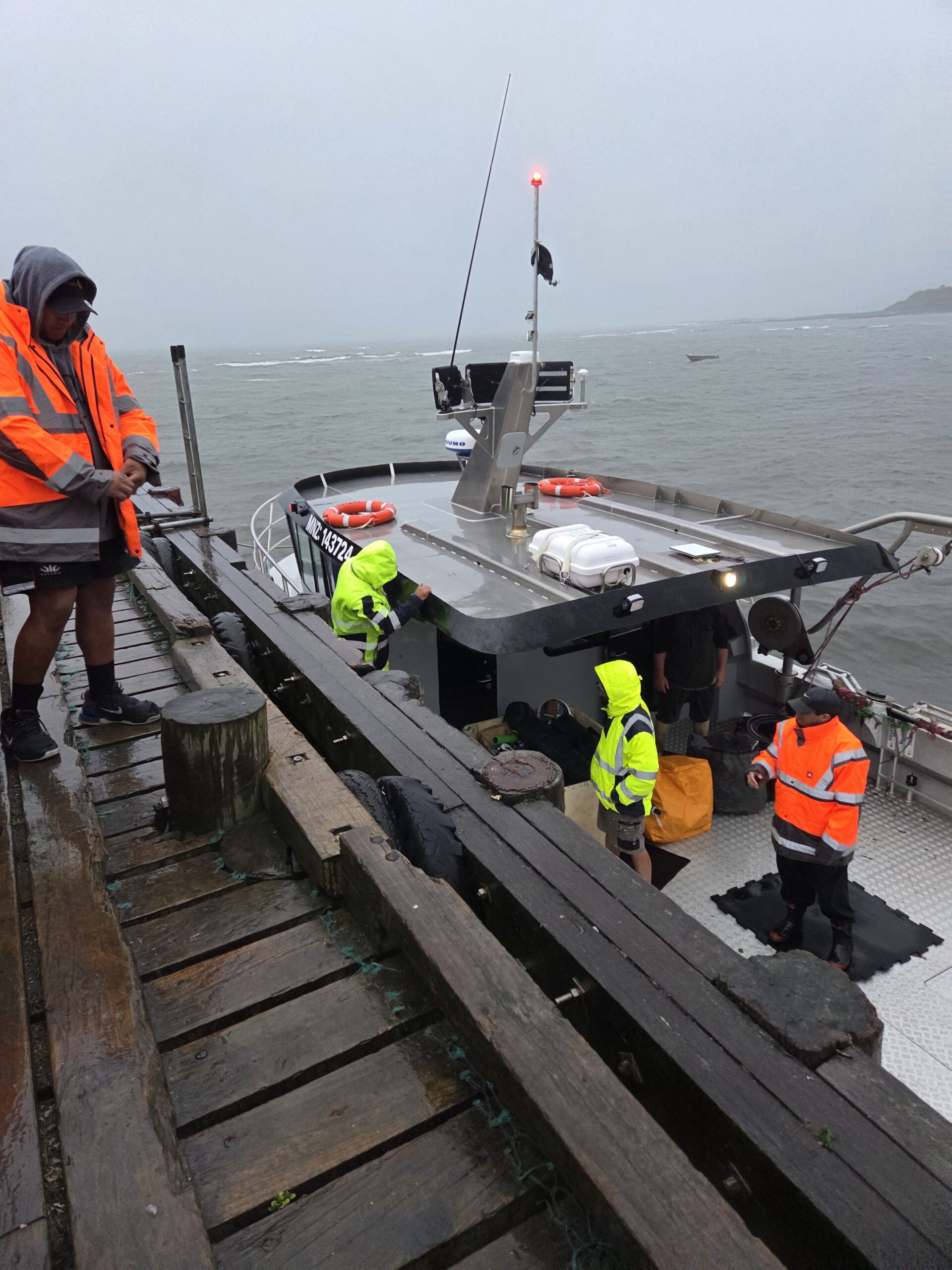
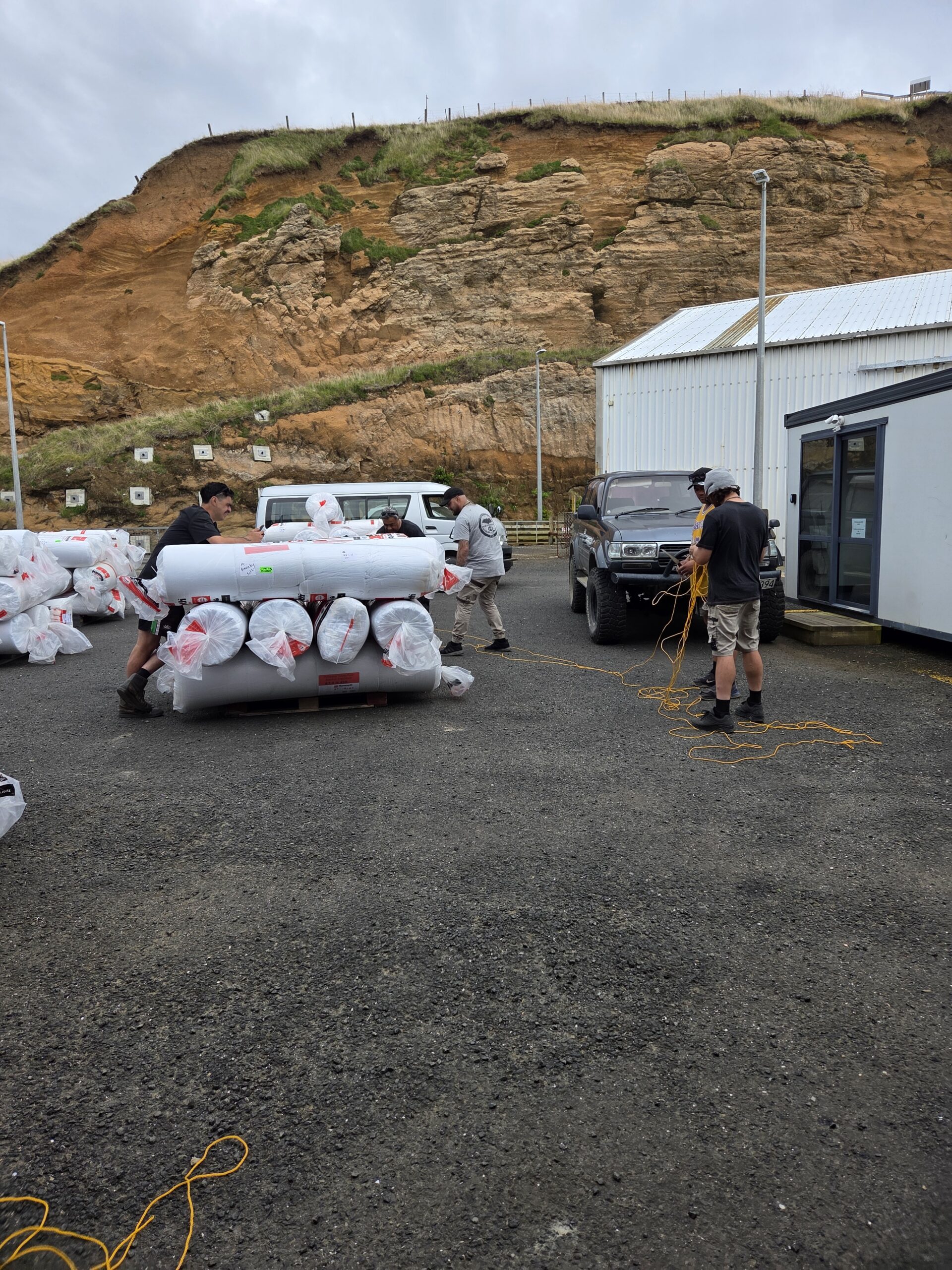
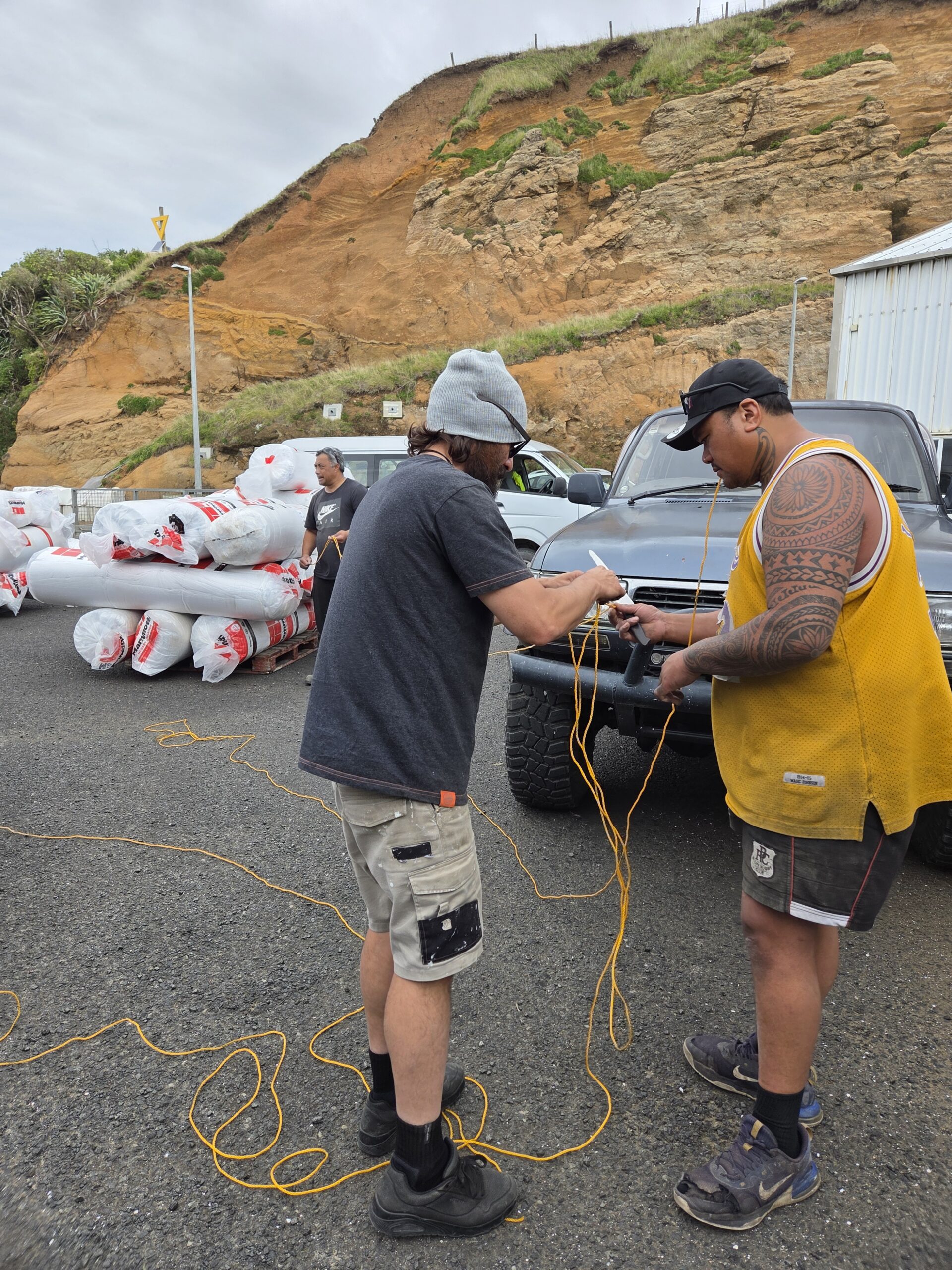
Two weeks on the Chatham Islands pushed our team further than any project before it. What unfolded was a story of endurance, ingenuity, and unity in one of the most remote and unpredictable environments in Aotearoa. This was not a standard insulation deployment. It was high pressure, high stakes, and carried out across both Chatham Island and Pitt Island under relentless weather, complex logistics, and constant uncertainty. From the very beginning, the environment tested everything — people, planning, equipment, and endurance.

The Deep South is tough, but the Chatham’s are next‑level tough.  Several admitted it was the hardest work they had ever done in their careers.

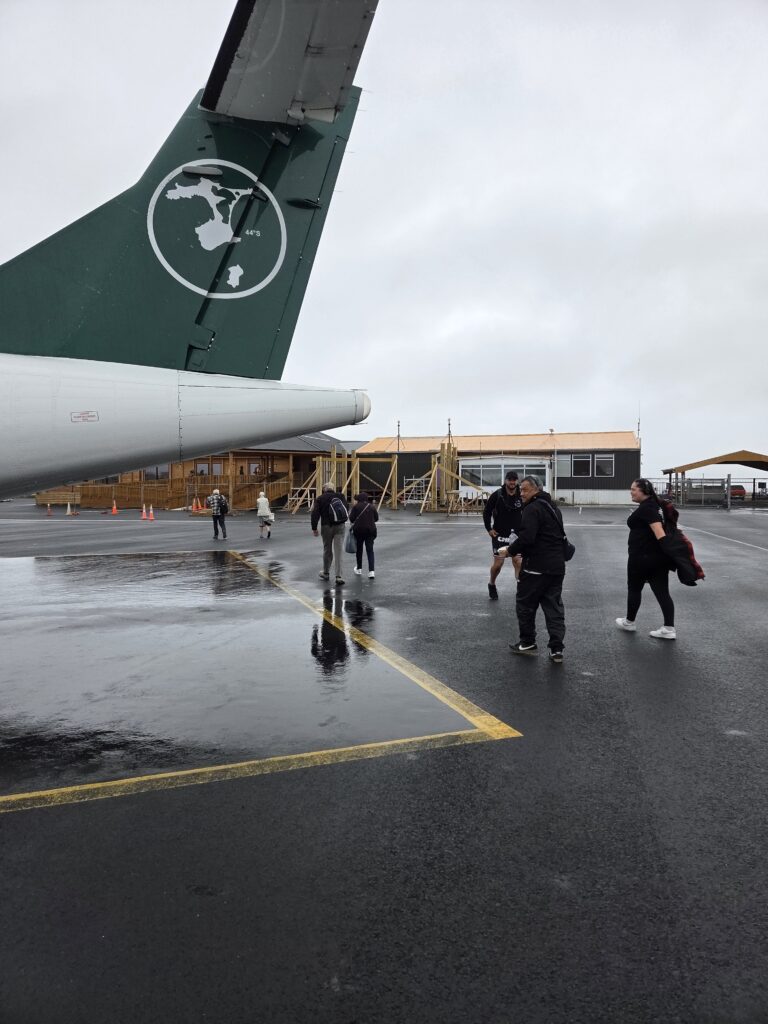
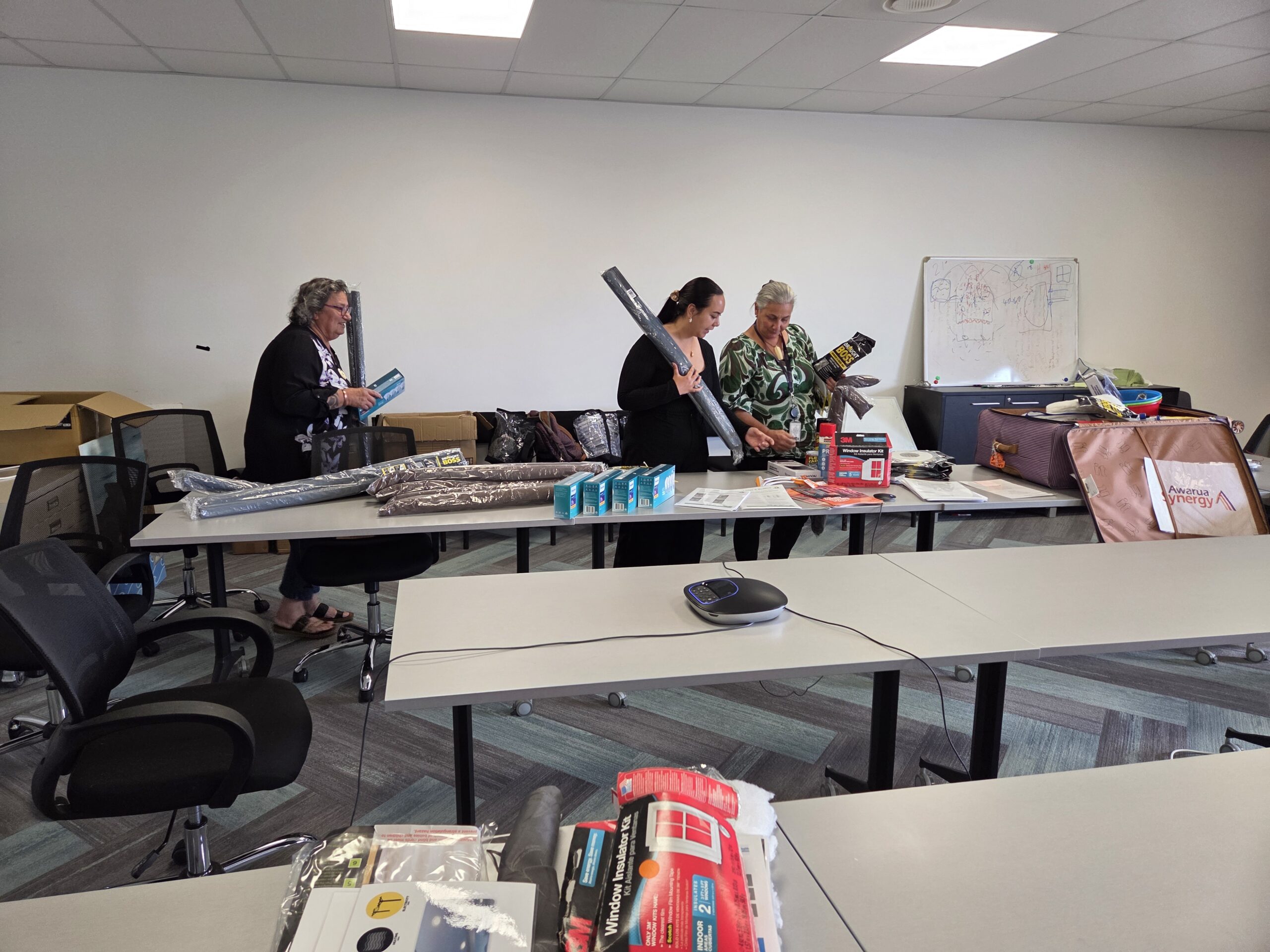
Logistics challenged the team before the first home was even reached. A cancelled flight — and a first landing attempt that had to be abandoned — threw carefully planned schedules into chaos. Food supplies didn’t arrive during the first week, forcing the crew to adapt quickly and rely on what little was available. Eleven people travelled with twenty‑three bags of essential gear, and every piece of it mattered. The team had to think on their feet from the moment they touched down, reshaping plans, redistributing resources, and finding solutions in real time. 

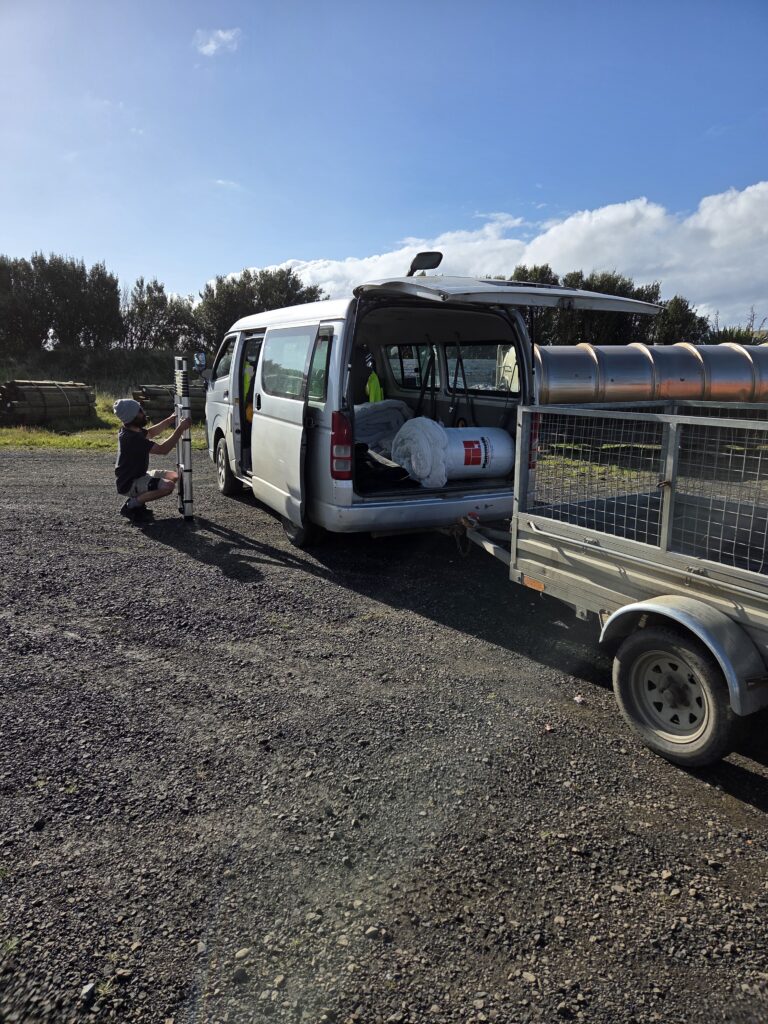
Freight delays, old‑school vehicles, and equipment pushed beyond their comfort zones became part of daily life. Even finding homes was an adventure — addresses didn’t always match maps, or reality, and many sites were hidden deep in rugged terrain that demanded 4×4 capability and a lot of patience.

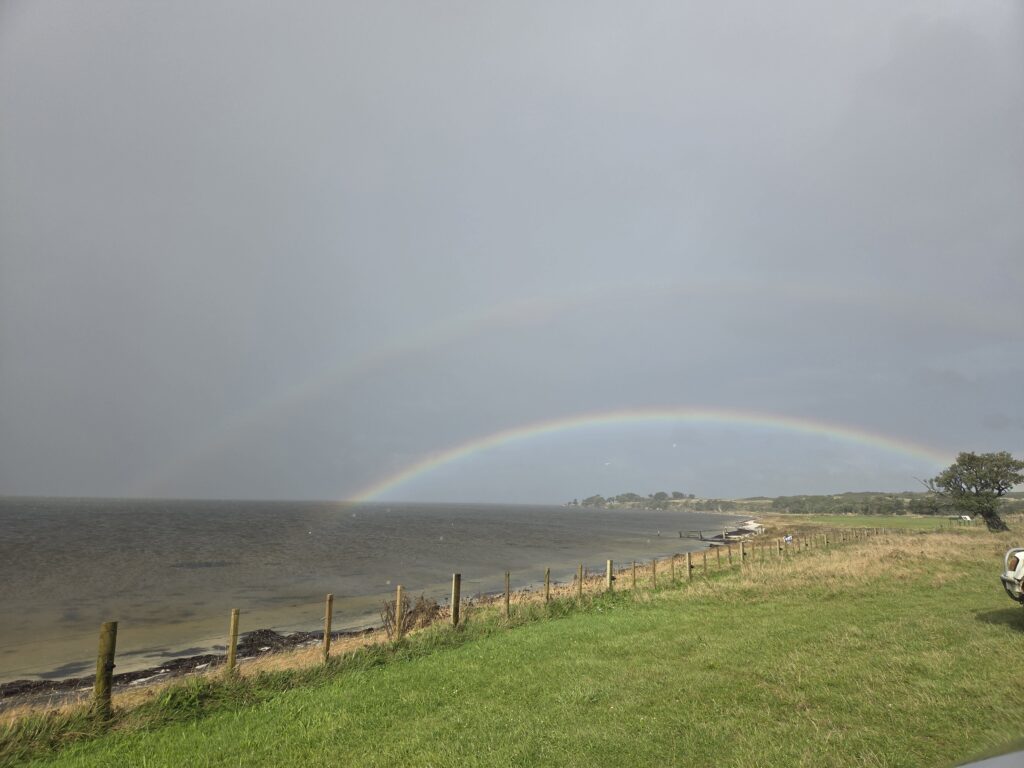
The homes themselves were unlike anything on the mainland. Each one was built differently, using a mix of materials, ages, and construction methods. Some underfloors felt like chipmunks’ playgrounds; ceilings were more like crawling through a fortress museum fitted with laser‑beam security. And then there were the wekas — bold, curious, and completely unfazed by installers working around them. Every install required on‑the‑spot problem solving, technical adaptability, and constant recalibration to ensure the work was safe, effective, and respectful of each unique home.  The weather offered no mercy. Heavy hard-hitting rain, strong winds, and rapidly shifting conditions slowed progress and increased the physical and mental load. Reaching Pitt Island meant a rough boat crossing followed by work in one of the most isolated communities in the world, where access was limited and margins for error were slim.

Knowing how rare and costly access to the islands is the team worked with one clear mission: make every day count. Every install mattered. Every square metre mattered. Every home insulated meant a family living warmer, drier, and healthier.  By the end of the deployment, more than 70 homes had been insulated.  Lives were changed in communities where isolation and energy hardship are daily realities. 

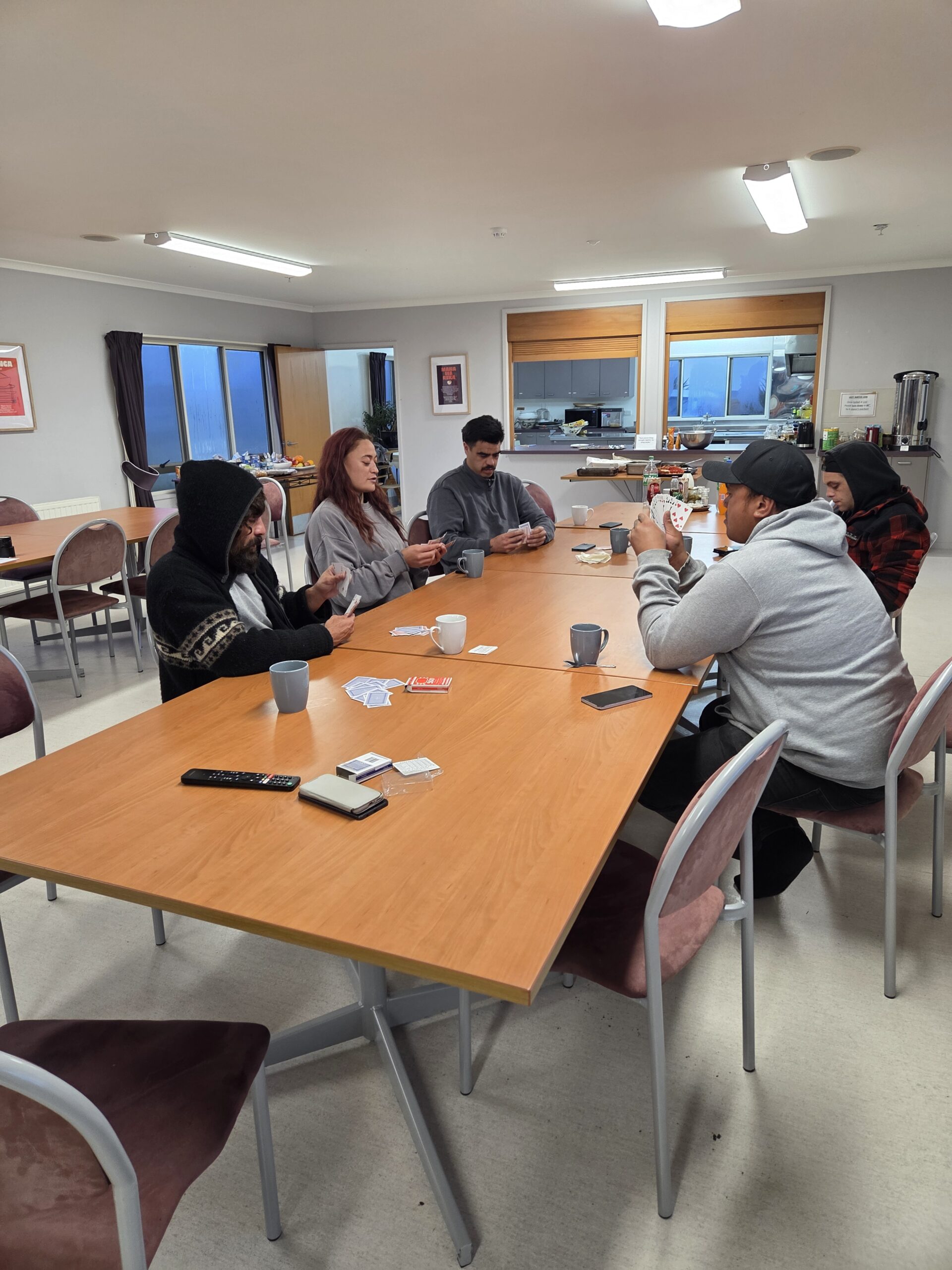
Throughout the deployment, the team lived together at the beautiful Kōpainga Marae. They shared meals, stories, and the same sleeping quarters. Long, demanding days were followed by evenings of laughter, shared exhaustion, and the kind of camaraderie that only forms when people are pushed to their limits together. What could have fractured a team instead forged one.

The warmth of the Chatham’s community was felt everywhere. Locals offered guidance, transport, food, and encouragement. Their generosity carried the team through the toughest days. Homeowners expressed deep gratitude — not just for the insulation, but for the respectful, friendly installers who treated every home with care.

Education workshops were delivered, ensuring households gained knowledge, not just materials. Trust was built, capability was shared, and dignity was upheld.

Even when the work was complete, the challenges didn’t stop. With flights cancelled again, the team spent an extra day and a half waiting to leave — tired, proud, and ready to return home. That final wait underscored the personal cost of remote delivery work and the sacrifices made by everyone involved.

This project didn’t succeed because conditions were favourable — they weren’t. It succeeded because the people were exceptional. A team forged in the Deep South, accustomed to hard environments and harder jobs, rose to meet the challenge with strength, humour, grit, and unity. The rugged Chatham’s asked everything of us — and our team delivered through sheer determination, grit, skill, and heart.

This was more than an insulation project. It was a testament to resilience, teamwork, and what’s possible when people commit fully to each other and to the communities they serve.  A huge thank you to the incredible locals who supported us every step of the way. Your guidance, generosity, and willingness to help made this journey possible, and we are deeply grateful.

Back
Latest articles