Summer has finally arrived, and with it some warmer temperatures! This means that now is the perfect time to give your home a little attention. A few simple maintenance checks can make a huge difference to comfort, air quality, and energy efficiency — especially in Southland, where temperatures can swing between cool mornings and hot afternoons.

Here’s your essential Pre-Summer Home Maintenance Checklist, designed to help you stay comfortable, keep power bills in check, and protect your home during the warmer months.

Service Your Heat Pump for Summer Cooling

Your heat pump has probably worked hard all winter — so before switching it to cooling mode, give it a little TLC.

A pre-summer service ensures:

  • Better cooling performance
  • Lower running costs
  • Cleaner, healthier air
  • Reduced risk of breakdowns during hot spells

Make sure filters are cleaned, coils are checked, and the unit is ready to keep your home cool and comfortable all summer long.

Book your heat pump service here.

Check Your Heat Pump is on the ‘Dry’ Setting

Your heat pump has a setting for Cool and one for Dry.  We recommend the ‘Dry’ setting – not only will this keep your home cool, but it also helps to reduce humidity. 

Check Your Insulation (Yes, Even in Summer)

Good insulation helps keep heat out, not just in.

If your home heats up quickly during the day, or feels stuffy even when it’s cooler outside, your insulation might not be doing its job. Check:

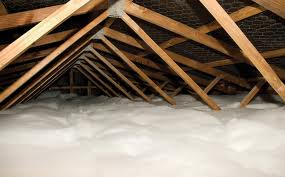
  • Ceiling insulation for gaps or sagging
  • Underfloor insulation for missing sections
  • Whether walls still feel hot to the touch

Upgrading insulation reduces heat gain in summer and keeps your home naturally cooler –  not only keeping you cooler, but saving you money on cooling.

Inspect Your Windows and Glazing

Windows play a huge role in keeping your home cool.

Look for:

  • Draughty or poorly sealed frames
  • Single glazing that heats up rooms
  • Condensation issues (even in summer)
  • Hot sunlight streaming through certain windows

Upgrading to modern double glazed windows and doors can significantly reduce heat inside the home, improve comfort, and protect your furnishings from UV damage.

Tip: Use UV-blocking blinds or thermal curtains to help keep temperatures down on scorching days. You can also add shading outside to stop that sun streaming in!

Improve Ventilation & Airflow

Fresh, dry air is essential in summer — especially when homes are closed up during holiday trips or long workdays.

Check:

  • Extractor fans in bathrooms and kitchens
  • Window latches and seals
  • Whether your home feels damp or musty after cold nights
  • If rooms feel stale or lack airflow

A good ventilation system helps remove moisture, reduce odours, and keep indoor air healthy — all while supporting your heat pump’s efficiency. Make sure you are opening windows at cooler times of the day, encouraging air flow through the house.

Switch to Energy-Efficient LED Lighting

Summer means longer evenings — but when the lights do go on, make sure they’re not adding unnecessary heat or costs.

LED lighting:

  • Produces less heat
  • Uses significantly less power
  • Lasts much longer than traditional bulbs

It’s one of the quickest and cheapest upgrades you can make heading into summer.

Check Your Hot Water System

Summer is the perfect time to ensure your hot water cylinder or heat pump hot water system is performing efficiently.

Look for:

  • Leaks
  • Warm pipes (indicates heat loss)
  • Missing insulation wraps
  • Rising water bills

A quick check now can prevent expensive surprises later — and keep your water heating costs under control.

Prepare Outdoor Areas

It’s not all indoors! A few quick fixes outside can protect your home during the warmer months:

  • Clear gutters of spring debris
  • Trim trees and shrubs away from heat pumps
  • Check decking, cladding, and paintwork for summer sun exposure
  • Ensure outdoor heat pump units have plenty of airflow

A little exterior maintenance helps extend the life of your home — and your heating/cooling systems.

Get Your Home Summer-Ready with Awarua Synergy

Whether you’re in Invercargill, Winton, Gore, Te Anau, Riverton, Bluff, or Mataura, our team is here to help you prepare your home for the warmer months ahead. From heat pump servicing and insulation upgrades to double glazing, ventilation and LED lighting, we can help you create a home that’s cooler, healthier, and more energy-efficient this summer.

Book a free home assessment today and get personalised advice for your home.

Back
Latest articles

For many homeowners, especially in Southland, a heat pump is the go-to solution for staying warm in winter. They’re efficient, reliable, and designed to heat even large spaces. But what happens when your heat pump is on, maybe even running all day, and your home still feels cold?

If this sounds familiar, you’re not alone. In fact, it’s one of the most common issues we see in Southland homes. A heat pump can only do so much when the home itself is losing heat faster than the unit can supply it. The good news? There are clear reasons why this happens — and clear steps you can take to fix it.

Let’s break down the main causes and what you can do to finally enjoy a truly warm home this winter.

Your Home Is Losing Heat Faster Than the Heat Pump Can Replace It

Even the best heat pump, like those from Mitsubishi and Daikin, can’t compete with major heat loss. In Southland’s colder climate, heat escapes quickly through:

  • Poor or ageing insulation
  • Single-glazed or draughty windows
  • Uninsulated walls
  • Gaps around doors and frames
  • Uninsulated hot water cylinders or pipes
  • Underfloor draughts

If your home feels cold even when the heat pump is on, one or more of these is usually the problem.

What to do:

Start by checking the basics: ceiling insulation, underfloor insulation, wall insulation and windows. These areas alone account for most heat loss. If insulation isn’t up to standard, or missing entirely in some areas, your heat pump will always struggle.

A free home assessment from Awarua Synergy can pinpoint exactly where the heat is escaping and what improvements will make the biggest difference.  Our expert team will visit your home and chat through with you the best, and most cost efficient, solutions for your individual needs.

Your Heat Pump Is the Wrong Size for the Room

If the heat pump is too small, it will run constantly without ever getting the room truly warm. If it’s too large, it may short-cycle, heating unevenly and inefficiently.

What to do:

Make sure your unit is correctly sized for the space, ceiling height, insulation levels, and layout of your home. Our team can assess whether your current unit is suitable and recommend a correctly sized Mitsubishi or Daikin heat pump if needed.

Your Windows Are Letting Heat Escape

Windows are often the biggest source of heat loss — especially if your home still has single glazing or older aluminium joinery.

What to do:

Consider upgrading to modern double glazed windows and doors, such as Nulook systems designed for Southland’s climate. Double glazing dramatically reduces heat loss, helps reduce condensation on the windows, and makes your heat pump’s job far easier.

If replacement isn’t on the cards yet, even simple fixes like draught stoppers or thermal curtains can help in the short term. Install three-layer thermal curtains with pelmets, mounted high and extending to the floor, to fully insulate windows and prevent heat loss.

Your Home Has Moisture or Ventilation Issues

A damp home always feels colder. Moisture in the air pulls heat from your body and makes it much harder for your heat pump to warm the space.

What to do:

Good ventilation is key. A balanced home ventilation system can reduce moisture, improve air quality, and make your heat pump work more efficiently.

Signs you may have moisture problems:

  • Condensation on windows
  • Musty smells
  • Damp walls or carpets
  • Mould growth

If any of these sound familiar, addressing moisture is a must. Book a home assessment and our team can discuss the best ventilation system for your needs.

Your Heat Pump Needs Servicing

Even top-quality units need maintenance. Over time, filters clog, coils get dirty, and efficiency drops — which can make your home feel colder.

What to do:

Have your heat pump serviced annually to keep performance high and ensure efficient, reliable heating.  Book a heat pump service now!

Your Home Needs a Whole-Home Approach

Heating is just one part of the picture. Southland homes perform best when insulation, ventilation, glazing, and heating all work together.

A heat pump alone cannot fix:

  • Heat loss
  • Draughts
  • Moisture
  • Poor window performance
  • Cold floors

But a whole-home energy solution can. Our expert team are here to help!

How Awarua Synergy Can Help

We specialise in helping Southland homes become truly warm, dry, and energy efficient — not just in one room, but throughout the whole home. Our free home assessments identify heat loss, insulation issues, ventilation needs, window performance, and more.

We work across Invercargill, Gore, Winton, Te Anau, Riverton, Bluff, and Mataura, offering trusted solutions including:

  • Daikin and Mitsubishi heat pumps & servicing
  • Insulation upgrades – ceiling, floor and wall insulation
  • Double glazed windows
  • Ventilation systems
  • Hot water efficiency upgrades

If your home still feels cold — even with the heat pump running — it’s a sign that something else is missing. We’ll help you find the most effective fixes so your home stays warm all winter long.

Book your free home assessment today and discover what’s really holding your home back from being warm, cosy, and comfortable.

Back
Latest articles

When it comes to making your home warmer, drier and more energy efficient, insulation is the first and most important step. It’s the foundation — the bit you absolutely need. But if insulation is the cake, then double glazing is the icing on top… or the bow on the present. It’s the finishing touch that ties everything together, turning a good home into a great one.

Why double glazing matters

Double glazing works by using two panes of glass with a layer of insulating gas in between. This acts like a barrier, slowing down heat transfer and helping to regulate indoor temperatures. In Southland’s chilly winters and bright summer mornings, that means less heat escaping, less condensation forming on the windows, and a more comfortable environment all year round.

Many homeowners start with insulation in the roof, walls, and underfloor — and that’s the right call. But once that work is done, windows can still be a weak spot. Up to 40% of heat loss in an insulated home can happen through single-glazed windows. That’s where double glazing steps in as the final upgrade that makes everything else work even better.

Focus on the south and east sides

Not every window in your home needs to be upgraded at once. For the best results, start with the south-facing and east-facing windows.

  • South-facing windows receive little to no sun and are the coldest in winter. Heat loss here is the greatest, and condensation can be a constant battle.
  • East-facing windows cop the morning sun, which often leads to condensation as cool overnight air meets early warmth. Double glazing keeps those rooms drier and more comfortable.

By targeting these areas first, you’ll notice the biggest difference to both comfort and energy savings.

Five reasons to choose double glazing

  1. Lower heating costs – Reduce heat loss and make the most of the insulation you’ve already invested in.
  2. Year-round comfort – Warmer in winter, cooler in summer.
  3. Healthier living – Less condensation on the windows
  4. Quieter indoors – Double glazing helps block out traffic, wind, and outside noise.
  5. Added value – Homes with double glazing are more desirable and secure.

How to make it happen

Right now there aren’t government subsidies available for double glazing, but that doesn’t mean it’s out of reach. Many banks are stepping up with low-interest “green loans” for energy-efficient renovations, including double glazing. It’s worth checking with your bank to see what you qualify for — especially if you’re already planning renovations.

The finishing touch

If insulation is the strong base layer of your home’s energy efficiency, double glazing is the detail that makes it truly complete. It’s the bow on the present: the upgrade that improves comfort, cuts power bills, and creates a healthier, happier home environment for years to come.

At Awarua Synergy, we can help you explore your double glazing options, whether you’re replacing all your existing windows or just looking to replace a few. Book a free home assessment now to discuss this further!

Back
Latest articles

We’re proud to share some exciting news with our community — Awarua Synergy has been recognised on an international stage!

At the PROtrade United Industry Awards in Brisbane, Australia, we were honoured to take home the Community Impact Award, celebrating our commitment to making a real difference for people across Southland.

Competing against leading trade companies from both New Zealand and Australia, our team was nominated in three award categories, with the Community Impact Award being the highlight of the evening.

Putting Community at the Heart of What We Do

This award acknowledges the work we’ve carried out to improve the wellbeing of Southland families and communities. Over the years, our team has:

  • Insulated and heated thousands of homes across the region
  • Provided education on power savings and efficient home heating
  • Supported youth development through events like Rangatahi Zone — a two-day gathering in Bluff that brings together more than 1,000 rangatahi for fun, creativity, and connection

Our General Manager, Sumaria Beaton, accepted the award on behalf of the team, sharing:

“We’re incredibly proud to be recognised among so many respected businesses. This award reflects the heart of our team and the difference we’re making in our community.”

The recognition also drew praise from PROTRADE United CEO, Jon Mailer, who commended Sumaria’s leadership and community focus. “Sumaria is an inspiring leader who puts purpose and passion for her community first, which engages her team and customers in the ‘good’ that she brings to the Southland region,” Mailer said. “The world could benefit from more visionary business leaders like Sumaria.”

A Night of Celebration

The awards ceremony, attended by more than 300 guests, included a special appearance by rugby league legend Mal Meninga, whose powerful speech reminded everyone of the importance of grassroots impact and community-focused initiatives.

Looking Ahead

At Awarua Synergy, our work goes far beyond homes — we support farms, businesses, and community groups, always with the same mission: to create healthier, warmer, and more energy-efficient spaces.

Whether it’s through our Healthy Homes workshops or supporting our young people to thrive, our team is passionate about building a brighter future for Southland.

We’d like to thank everyone who has supported us on this journey — this recognition belongs not just to our team, but to our community.

Back
Latest articles

From the windswept shores of Bluff to the remote beauty of the Chatham Islands, Awarua Synergy is proud to announce its latest milestone: delivering Healthy Homes upgrades to eligible households under the Warmer Kiwi Homes programme.

Founded 21 years ago in the small seaside town of Bluff, Awarua Synergy has grown into a nationally respected leader in energy advocacy and community wellbeing. Now, the team is preparing to travel over 860 kilometres east to Wharekauri (Chatham Island) to bring warmth, comfort, and energy efficiency to homes that have long faced isolation and high energy costs.

“This is more than just an insulation project—it’s about honouring the mana of the Chatham Islands community and building trust-based partnerships that last,” says Sumaria Beaton, General Manager of Awarua Synergy. “We’re humbled to be invited to support this kaupapa and bring our experience from Stewart Island and other remote deployments to the Chathams.”

The initiative is made possible through the careful planning and strategic investment of the New Zealand Government’s Warmer Kiwi Homes programme, administered by EECA. This nationwide effort prioritises low-income households and remote communities, ensuring equitable access to healthier, warmer living environments. The Chatham Islands deployment reflects the programme’s commitment to reaching even the most geographically isolated whānau.

With over 80 expressions of interest already received, the project will begin with assessments and installations near Waitangi, the island’s main settlement. Owner-occupied homes built before 2008 will be eligible, with a focus on insulation and heating upgrades tailored to local conditions.

Delivering this work requires meticulous coordination. Freight will be shipped from Timaru via Chatham Islands Shipping, with materials arriving on a 9-day circuit.

“Energy costs on the Chatham’s are among the highest in Aotearoa, and many homes rely on wood burners or diesel-generated electricity,” Beaton adds. “By improving insulation and heating, we’re not just reducing bills—we’re improving health, resilience, and long-term wellbeing.”

Awarua Synergy’s journey to the Chatham’s marks a full-circle moment: from a humble Southland startup to a trusted national provider reaching the farthest corners of New Zealand. The team looks forward to working alongside the community to create warmer, healthier homes—one whare at a time.

Back
Latest articles

More Southlanders Able to Access Insulation Grants

More Southlanders will be able to access insulation grants after the Government announced an expansion to the Warmer Kiwi Homes programme.  Awarua Synergy general manager Sumaria Beaton-Sikisini said she welcomed the news that Energy Minister Simon Watts has potentially opened up another 300,000 homes nationwide to become eligible for insulation grants.


For the first time, households in deciles 5 and 6 can claim a 50% insulation grant, previously unavailable to them, she said.  In Southland, this rises to 55% with the additional contribution of the Southland Warm Homes Trust (SWHT).  Beaton-Sikisini is a board member of the Insulation Association of New Zealand (IAONZ), which has been working with EECA and Minister Watts’ team providing solutions and ideas about how the Warmer Kiwi Homes programme could be expanded and was excited to see this first step put into place.

“Safe, warm and dry housing is a fundamental human right. Healthier homes also mean less sickness and time off school and work,” she said.


Awarua Synergy works with SWHT and EECA to provide a range of insulation packages.

Warmer Kiwi Homes can also cover up to 90% of the cost of buying and installing insulation and an efficient heater if you are eligible for a subsidy, which means people save money while keeping cosy, she said.


“Everyone deserves to be warm. At Awarua Synergy we know that sometimes heating your home can mean another bill that might be hard to pay, but we also know how important having a warm dry house is to our community’s health and wellbeing.”  It’s estimated the scheme saves about $15 million a year in avoided health costs nationwide, because of fewer respiratory illnesses.  Awarua Synergy provides free, unconditional home energy health checks and can also talk you through ways to make sure you’re getting value for money as well as any help you may need with heating your home and keeping it warm.


The best way to find out if you are eligible for help with getting your home warm, dry and healthy is to contact Awarua Synergy.


Give us a ring at 0800 WARMSOUTH.


Back
Latest articles

It’s true that winter is always the most costly season when it comes to power bills. But did you know your power bill could be increasing even more than normal this winter?

There are two main reasons for this. First, line charges are increasing. This is due to increased investment to deliver a more reliable, safe and resilient electricity network. It follows a decision by the Commerce Commission to allow greater investment in this area.

Secondly, there’s the phase-out of the low-user tariff. According to a recent report, 40% of Kiwis could end up paying more for their power as a result of this change—especially single-person and low-income households.

So, how can you save money on your power bill?

There are plenty of ways to make sure you’re not paying more than you need to. Some of these involve making your home more energy-efficient, while others are about being smart with how and when you use electricity. Here’s what you can do:

1. Ensure Your Home is Properly Insulated

Heating a home that isn’t well insulated is like trying to heat the outdoors—your warmth (and money) literally escapes through the roof, walls, and floor. Insulation is one of the most effective ways to reduce your heating costs, making your home warmer in winter and cooler in summer.

And the best news – you could be eligible for grants or subsidies to insulate your home.  To find out if you are eligible check out our grants and subsidies page.

2. Check the Age and Efficiency of Your Heat Pump

Is your heat pump more than 8–10 years old? Older models tend to be far less efficient and could be chewing through more electricity than necessary.

Replacing your old heat pump with a modern, energy-efficient one can significantly reduce your power use—especially in winter. What’s more, you might be eligible for a grant covering up to 95% of the cost if you meet certain income or housing criteria.

Modern heat pumps:

  • Use less power to generate the same amount of heat
  • Work more efficiently even in colder temperatures
  • Often come with smart features to help optimise your energy use

3. Consider Double Glazing

Windows can account for up to 40% of heat loss in an uninsulated home. Double glazing helps keep the warmth inside, reducing the amount of heating you need to stay comfortable.

Even just double glazing the most-used rooms—like your living room or bedrooms—can make a noticeable difference to both warmth and power use. Alternatively, secondary glazing kits offer a more affordable DIY option.

Find out more about Double Glazing from Awarua Synergy.

4. Check You’re on the Right Power Plan

Not all power plans are created equal. With the low-user tariff being phased out, many people are finding that the plan that used to suit them no longer does.

Use tools like Powerswitch.org.nz to compare different electricity retailers and plans based on your actual usage. Sometimes just switching to a different provider or plan could save you hundreds of dollars a year.

💡 Pro tip: Consider whether a plan with time-of-use pricing (cheaper off-peak power) could work for your household, especially if you can run appliances like dishwashers or washing machines outside peak hours.

5. Use Energy-Efficient Lighting

LED technology has leapt forward in the last few years, and you can now capitalise on light bulbs and lighting systems that provide much better light, reduce power usage, and last far longer. Since LED lights can use up to 85% less electricity than old bulbs, you will definitely notice the change on your power bill, especially in the darker, winter months.

Find out more about LED lighting from Awarua Synergy.

6. Ensure You Have Energy-Efficient Appliances

When it comes to replacing your household appliances, make sure you check for EnergyStar ratings. While they might cost a little more to purchase, appliances with good energy ratings cost less to run and can definitely save you money in the longer term.

Make sure that you unplug unused devices – many electronics use power, even when they are on standby. Gaming devices are a great example of this, so if you have teenagers in the house it pays to ensure they are powering off devices!

7. Use Curtains and Blinds Effectively

Heavy, lined curtains that are well-fitted (ideally floor-length) help keep the warmth in at night. Open them during the day to let the sun in, and close them as soon as the sun goes down.

Honeycomb blinds are also a great way to ensure as little of your heat escapes from windows at night.  These blinds are the best blinds for insulation because their cells have a pocket of air that acts as a barrier, much like double glazing.

8. Reduce Moisture in your home 

Moisture in the air makes  your home feel colder and harder to heat and a great way to reduce your power bill is to reduce moisture. Check out our blog with plenty of ideas of how to reduce moisture in your home.

So what’s next…

While line charges and the end of the low-user tariff are beyond our control, you still have plenty of power (pun intended) to reduce your household energy costs. From insulation to smarter usage and better planning, even small changes can lead to big savings over the winter.

At Awarua Synergy we have access to a large number of grants and subsidies to help you save! To find out more book a home assessment now.

Back
Latest articles
 The answer is: no, you don’t need to leave your heat pump running 24/7.

Here’s a practical approach:

  • On Demand Heating: Turn your heat pump on when you arrive home.
  • Smart Scheduling: If your heat pump has a Wi-Fi or app interface, program it to turn on shortly before you get home.
  • Quick Warm Up: If you need a fast temperature boost, increase the fan speed rather than drastically raising the thermostat. Keeping the temperature set to a maximum of 21°C is a good idea.

Important

  • Heat mode: Only use heat mode, NEVER use automatic, as this increases power bills dramatically.
  • Filter: Regularly vacuum the filters weekly.
  • Servicing: Have this done by professionals yearly for optimum efficiency.

Heat pumps are very efficient at quickly reaching the desired temperature from a cold start, so you don’t waste as much energy as you might think. By following these tips, you’ll maximise your heat pump’s efficiency and minimise your energy costs.

Tips For optimal energy savings, it’s generally best to run your heat pump only when you’re home. Modern heat pumps are designed for rapid temperature adjustments, so leaving them on while you’re away is usually unnecessary. According to Consumer NZ, you should only have your heat pump running if you’re at home, as they work rapidly once turned on. “You should only ever have your heat pump running if you’re at home. Heat pumps work rapidly once you turn them on, so don’t bother leaving them on when you’re not there,” says James le Page, product test team leader, writing in a Consumer NZ guide.

Workshops Our in-house expert, Sumaria Beaton – Sikisini, who has conducted numerous workshops over her 20 years of experience, is frequently asked this question. Many people challenge her advice because a technician or electrician has told them that leaving the heat pump running continuously is the best way to use it.  We are all responsible collectively for increasing energy costs. The less efficient we are as a collective, the more investment is required in the sector, which results in raising energy costs.

Where did this myth come from? She believes the myth of leaving the heat pump on 24 hours stems from people who turn off the heat pump and then come home and crank the temperature up past 21 degrees. This is compared to those who leave their heat pump on a low temperature setting 24 hours a day, which could result in comparable power bills.

Cautionary situations to leave Heat Pump on 24 hours If a house is extremely well-insulated and air-tight (new build with higher specs), it will not cost much to maintain at about 18 degrees, leaving a heat pump running even when no one is home or overnight.

Back
Latest articles

A heat pump is an essential component of your home’s heating and cooling system, providing year-round comfort and energy efficiency. However, like all appliances, heat pumps have a lifespan and will eventually need replacing. Ignoring the warning signs can lead to higher energy bills, poor performance, and even complete system failure. Here are five key signs that indicate it might be time to replace your heat pump.

Your Heat Pump is Over 10-15 Years Old

Heat pumps typically last between 10 to 15 years, depending on usage and maintenance. If your system is reaching or exceeding this age, it may be time to consider a replacement. Newer models are more energy-efficient and can save you money on your heating and cooling costs.

Increasing Energy Bills

Have you noticed a spike in your energy bills despite consistent usage? As heat pumps age, they become less efficient, working harder to maintain the desired temperature. If your electricity costs are climbing, an aging heat pump might be the culprit. It might not mean your heat pump needs replacing – it may just need regular maintenance.

Frequent Repairs

If you’re constantly having to call a technician for repairs, it may be more cost-effective to replace the unit. Frequent breakdowns can be a sign that your heat pump is reaching the end of its lifespan and is no longer reliable.

Inconsistent Heating and Cooling

Does your home feel too hot in the summer or too cold in the winter? Uneven temperatures and difficulty maintaining a comfortable climate could indicate that your heat pump is struggling to perform efficiently. A replacement might be necessary to restore optimal comfort.

Strange Noises or Odours

Unusual sounds like grinding, rattling, or squealing can indicate internal issues with your heat pump. Additionally, musty or burning odours could suggest electrical problems or mould growth. If these problems persist despite maintenance, it may be time for a new system.

Give us a call!

Replacing your heat pump is a significant investment, but doing so at the right time can save you money and improve your home’s comfort. If you’re experiencing any of these signs, give us a call. Our expert heat pump technicians can help you determine whether a repair or full replacement is the best option for you.


If you know it’s time to upgrade your heat pump, book a home assessment now.

Back
Latest articles

Five-year outcomes evaluation, launched in November 2024, show both a reduction in both hospitalisation numbers and school absences for illness amongst participants. Funded by Health New Zealand Te Whatu Ora, the Healthy Homes Initiative (HHI) has the aim of increasing the number of children living in warm, dry, and healthy homes and reducing avoidable hospitalisations and ill health due to housing-related conditions. The programme is delivered by 17 lead providers and sub-contracted providers across the country, including Southland’s Awarua Synergy.

General Manager Sumaria Beaton-Sikisini said Awarua Synergy has the privilege of delivering the Southland component of the HHI under Otago service delivery organisation Aukaha, and the Southland Warm Homes Trust.  The HHI was established in Auckland in December 2013 and was rolled out nationally by 2023. It is available to eligible elderly, families with young children and pregnant people, with assessors providing education, immediate interventions, support to access housing improvements, advocacy to landlords and referral to other services.

“This works in well with the range of customers we deal with on a day-to-day basis. When customers contact us, we are able to offer them a number of different solutions and the HHI has been a big part of those solutions for many families,” Beaton-Sikisini said.

Southland Warm Homes Trust chair Lesley Soper said the Southland Warm Homes Trust has been very proud to actively support the HHI initiative, and Awarua Synergy as local provider.

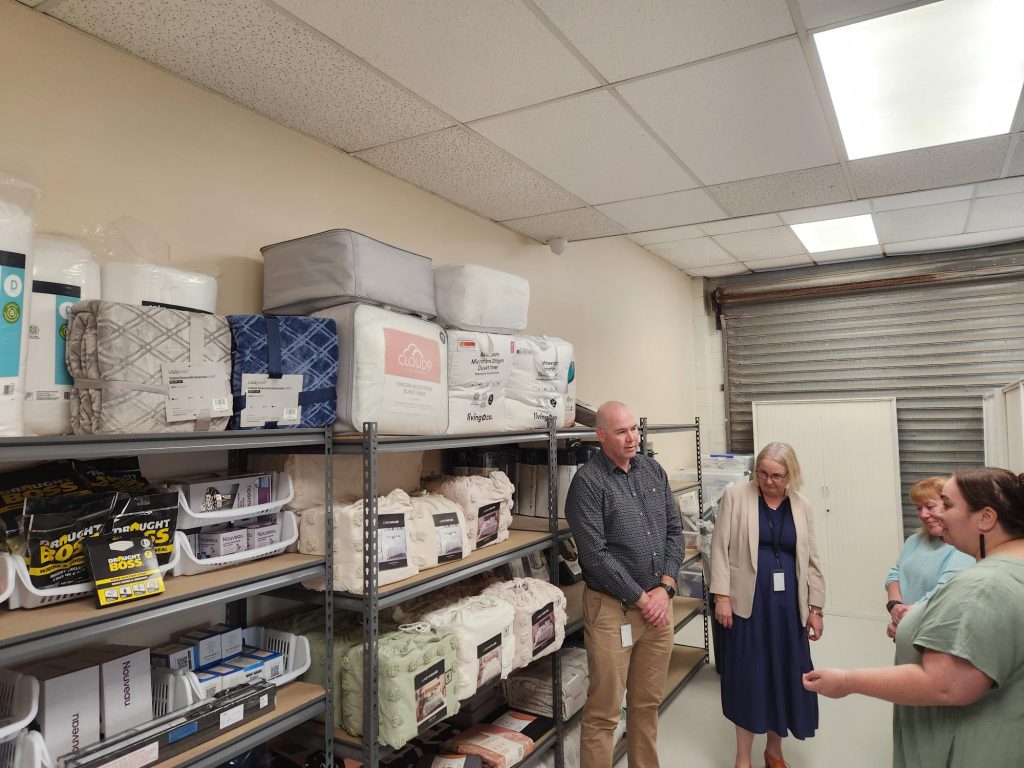
Kiri Pudda (right) our Healthy Homes Initiative assessor shows Southland Warm Homes Trust the interventions used for homes.  Left Allan Beck, Nicola Flemming, Melissa Smith from Power Net Southland Warm Homes Trust.

“HHI is a brilliant part of dealing to the “old, cold homes of Southland” issue,” Soper said. “It has made an enormous difference in delivering healthier, warmer homes for low-income families and, particularly, families with children with health problems.  The practical difference in providing thermal curtains, better bedding and a “hand up” approach to assessing the homes involved really delivers on less hospital admissions and a happier and healthier environment.”Meanwhile, Awarua Synergy trained home assessor Kiri Pudda said she sees the positive outcomes of the HHI every day.

“We come in and do an in-home assessment and go through and see if there’s any interventions that we may be able to provide that can keep their home warm and dry, such as insulation and heating, bedding, curtains, showerheads and air purifiers.”Much of what she does centres around education, she said.

“It’s giving that little bit extra and helping them think twice and change the behaviours we’ve all grown up with that can be harmful, and also giving the reasons why,” she said.

“For example, I can explain that drying your clothes under the heat pump may get your clothes nice and dry but it drives damp into your carpets that your wee one is crawling around on and breathing in,” she says. “This increases unnecessary heat pump use, and worse, that moisture will travel to the coldest part of the home, which is usually the bedrooms we sleep in,” she said.

The latest report, Healthy homes Initiative: Five-year outcomes evaluation (November 2024) highlights that the Healthy Homes Initiative has had a significant impact for over 200,000 referred whānau members, including children, resulting in fewer hospital visits and trips to the GP.

It found the HHI is providing a significant long-term impact for whānau whilst producing an impressive return on investment to the public healthcare sector. School absences for ill-heath was reduced by 5 per cent, equating to an additional 5,309 more days in school.

The rate of hospitalisations per person following the HHI intervention reduced by 18.6 per cent. This equates to 10,354 averted hospitalisations per year across the HHI. Additionally, those in the household who were hospitalised had less severe conditions, the report says. Furthermore, return on investment from the health sector was 507%. Primary costs associated with the HHI is staffing costs, estimated to be between $2,000 and $2,100 per referral. The costs of the programme to the health sector are estimated to have been recouped within a year, with healthcare benefits of approximately $95 million per year.

The Five-year outcomes evaluation was co-funded by Health NZ, Kāinga Ora – Homes and Communities and the Accident Compensation Corporation (ACC).  In addition, Awarua Synergy provides free Healthy Homes workshops to businesses and community groups, Beaton-Sikisini says.

“Everyone can learn something about heating their home,” she says. “We’ve had amazing feedback from businesses who say their staff haven’t stopped talking about the things they’ve learned.”

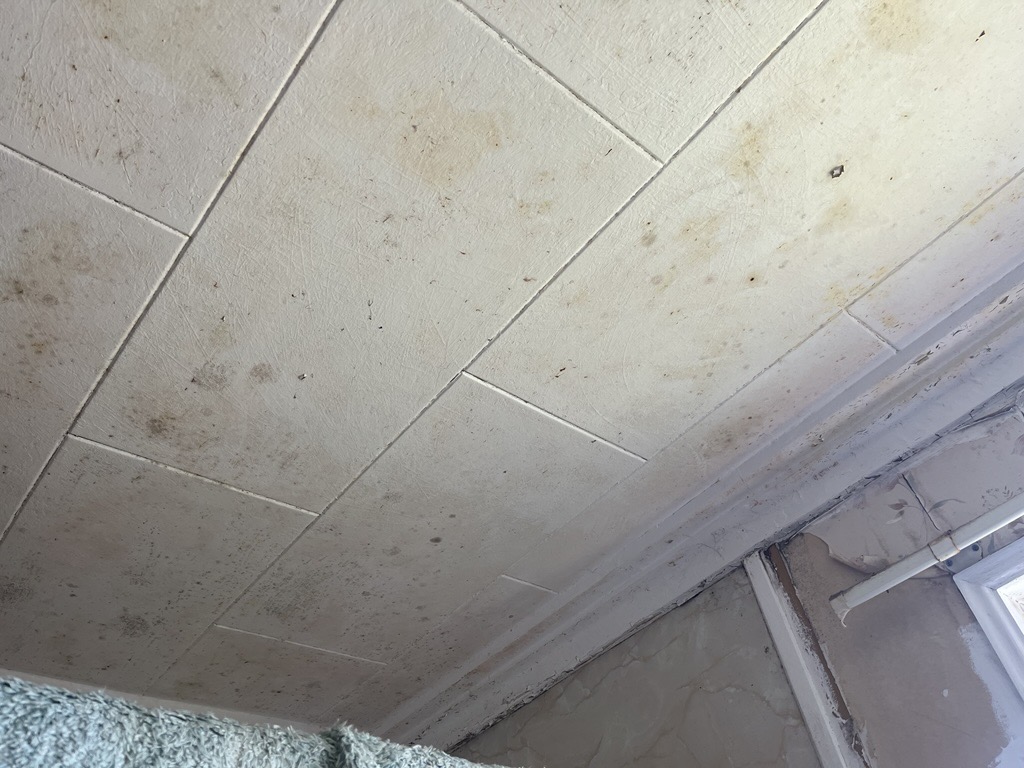
Example – of a Southland ceiling, full of mould

Back
Latest articles